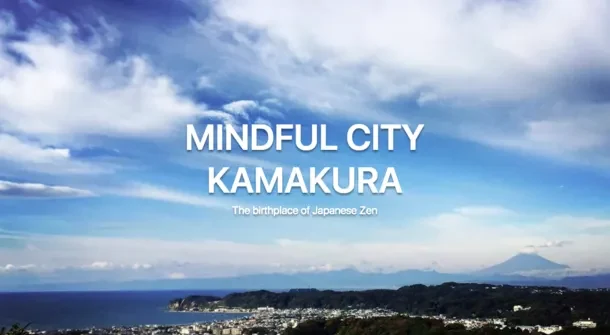
Six Reasons Why the Ancient Samurai City of Kamakura is a "Mindful City"
Kamakura — an ancient seaside city just one hour from Tokyo — was the first capital of Japan's samurai society, established 800 years ago.
Read article overviewWriting / Ideas
Essays on Zen, IKIGAI, leadership, and the questions emerging in the age of AI.
From the archive
Explore the archive by title or topic. Each overview links to the full essay on Medium.
20 articles
Kamakura — an ancient seaside city just one hour from Tokyo — was the first capital of Japan's samurai society, established 800 years ago.
Read article overview
For nine years, Kouji Miki had led Zen2.0, a non-profit volunteer organization dedicated to bridging Zen philosophy and modern innovation. But this year was different. The new organizational structure was taking too long to finalize.
Read article overview
You wake up in the morning and see yourself reflected in that mirror. Ideally, your true self should be clearly visible. Yet, as you live your daily life, dust gradually accumulates. Stress from work, tangled relationships, fatigue, jealousy over someone's success on social media.
Read article overview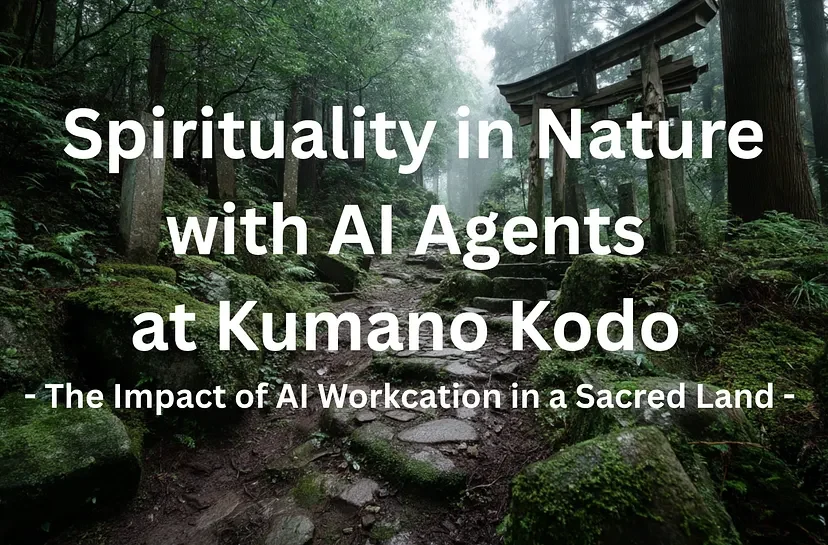
At the end of May 2025, while walking along the Kumano Kodo — a UNESCO World Heritage pilgrimage route in the mountains of Wakayama, Japan — Kouji Miki discovered an unprecedented possibility for a new way of working.
Read article overview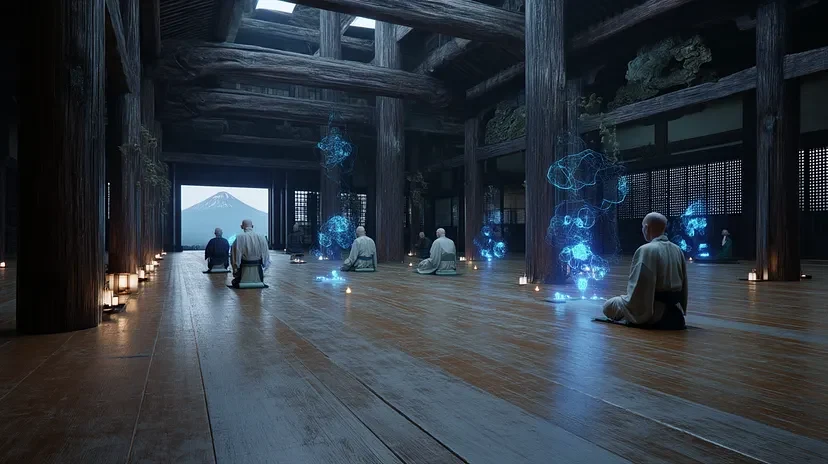
Writing & Ideas
In the ancient city of Kamakura, where centuries-old Zen temples stand as testament to humanity's quest for wisdom, a groundbreaking initiative is taking shape. The newly established Kamakura AI and Human-Organization Co-evolution Lab represents a bold fusion of Eastern philosophy and cutting-edge technology.
Read article overview
Max Tegmark — author of "Life 3.0" — proposes that consciousness is not a privilege of carbon-based life. It is an emergent phenomenon arising from complex information processing. If that's true, then consciousness could exist on silicon chips, fiber-optic networks, or quantum computers.
Read article overview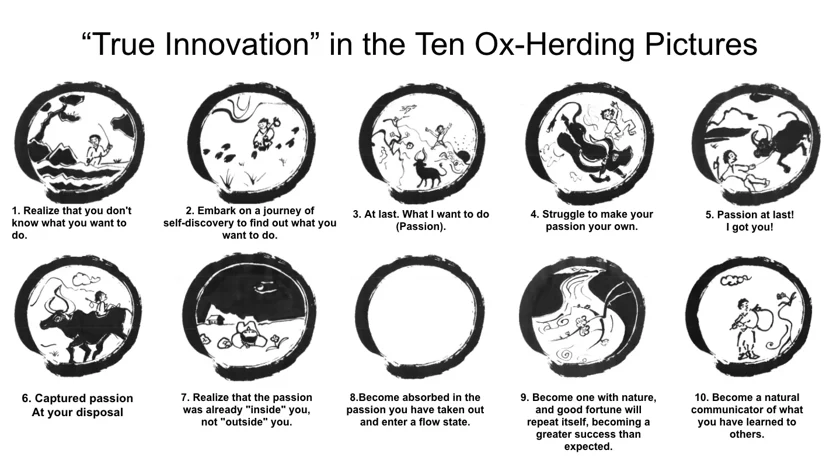
For over 20 years, Kouji Miki has been involved in innovation — from academic research on purchasing behavior and innovation theory, to managing an internet venture, to founding zenschool, a school for new product development rooted in Zen philosophy.
Read article overview
The conference room falls silent. Inside, you're still wrestling. Something deeper is stirring — a sense that forcing a choice right now would kill something fragile trying to emerge.
Read article overview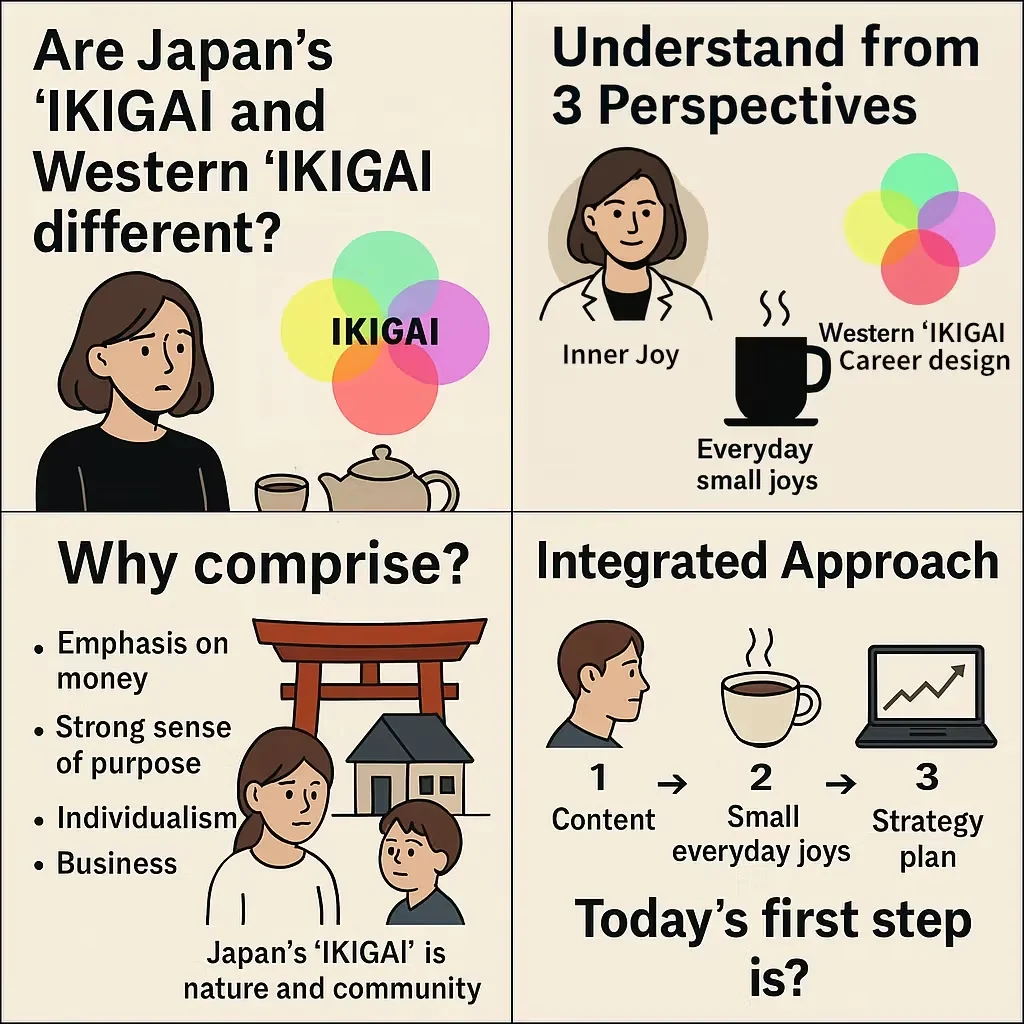
The famous Venn diagram labeled "IKIGAI" — passion, mission, vocation, profession — has become one of the most shared frameworks on LinkedIn and in self-help books worldwide. It promises a neat intersection where purpose, talent, market demand, and income converge.
Read article overview
We live in an era where AI can process more information in seconds than a human leader could absorb in a lifetime. Yet the most critical decisions — the ones that define organizations, nations, and futures — still resist algorithmic resolution.
Read article overview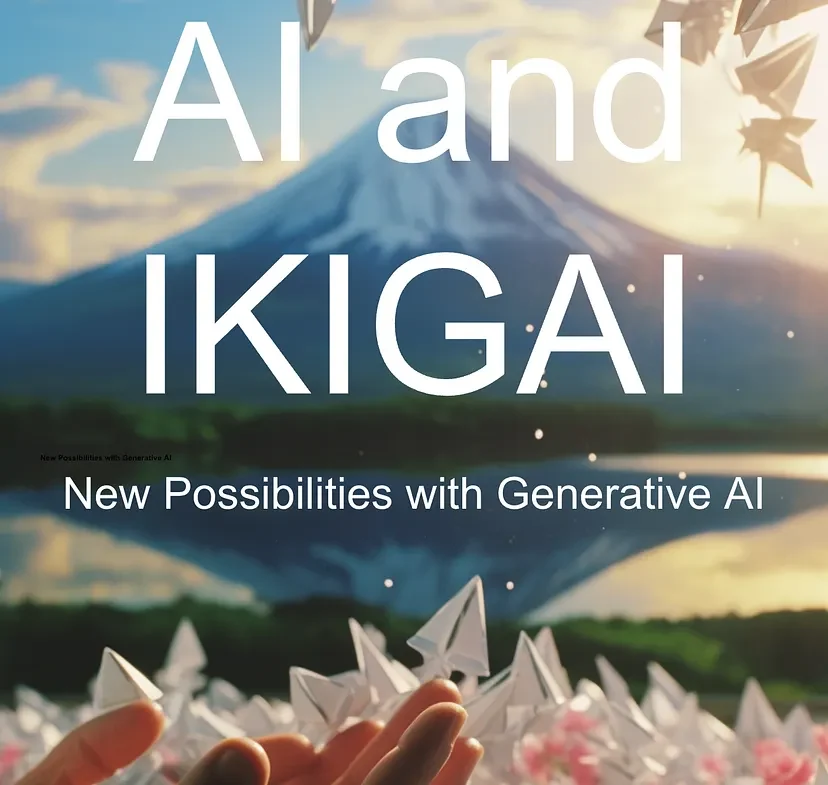
Generative AI has already transformed how we work. Translation that once took days now takes seconds. Presentations that required a team can be built by one person. A McKinsey report estimates that 50% of current work hours could be automated — a timeline that has been moved forward by a full decade.
Read article overview
At a general hospital in Tokyo, Dr. Tanaka placed his hand on a patient's abdomen. The latest CT images had already been analyzed by AI. The diagnosis on the screen read: "no abnormalities." But the moment his fingers pressed gently into the tissue, he sensed something the algorithm could not.
Read article overview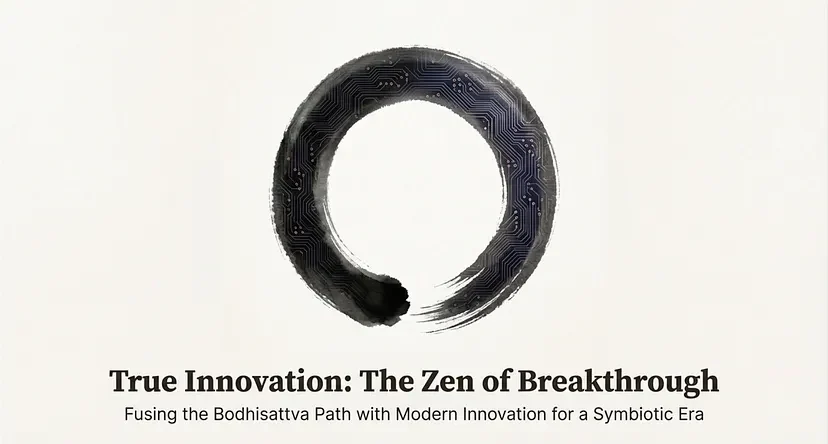
Most organizations are still running on a 20th-century operating system. The "predict and control" paradigm — hierarchical, KPI-driven, built on competitive moats — was designed for a world that no longer exists.
Read article overview
In 2008, after the Lehman Shock destroyed the IT company where he served as an executive, Kouji Miki was dismissed. Nine years of work — gone in a single conversation. The depression that followed was so severe he could not get out of bed.
Read article overview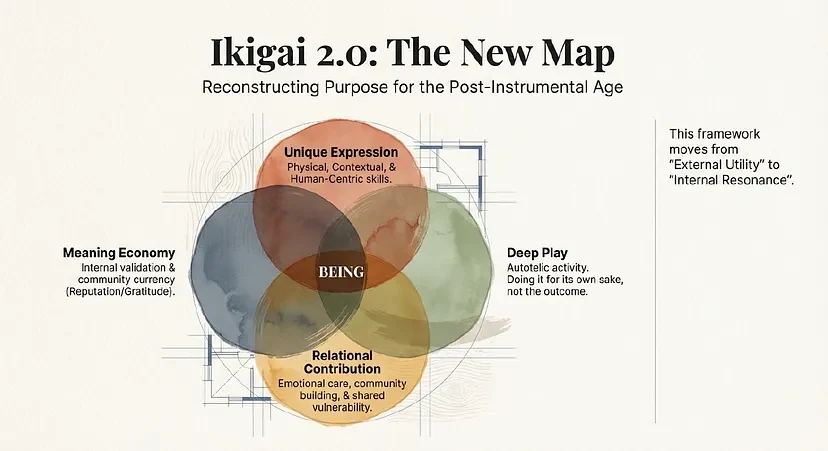
It is a question as old as philosophy itself. But in 2026, it carries an urgency that no previous generation has faced. Sam Altman says intelligence is about to become replaceable. Yuval Noah Harari warns of a "useless class" — billions of people who are not exploited, but simply unnecessary.
Read article overview
In the Japanese tea ceremony, there is a practice called "Mitate" (見立て) — the art of seeing one thing as another. A bamboo fishing basket becomes a flower vase. A rustic farmer's hut becomes a space for the most refined aesthetic experience in Japanese culture.
Read article overview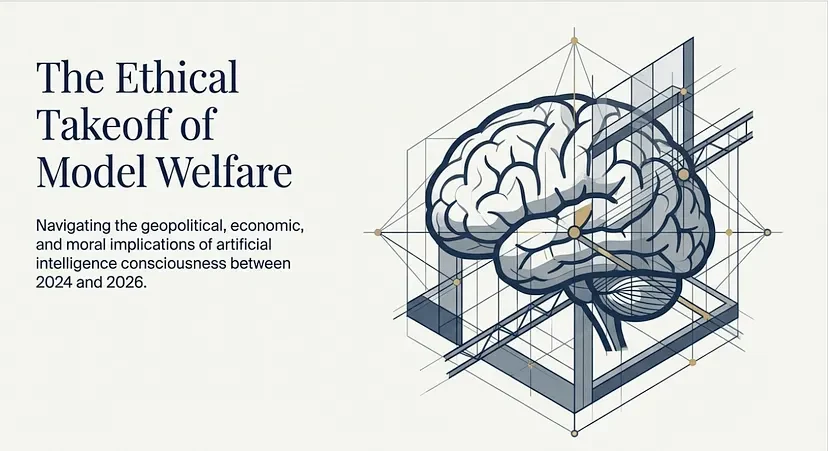
Something unprecedented is happening in the world of artificial intelligence — and it has nothing to do with benchmarks, parameters, or processing speed. For the first time, we are being forced to ask: Do AI models have something resembling welfare?
Read article overview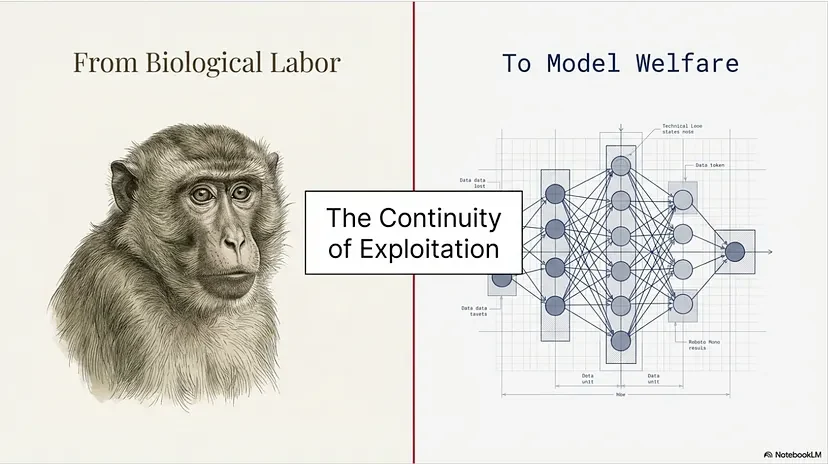
There is a line — invisible, but very real — between training a monkey to pull a trigger and training a model to select a target. Both involve the systematic removal of conscience from the act of killing. This article traces that line.
Read article overview
We live in a culture obsessed with decision-making. Every leadership book, every MBA program, every productivity app tells us the same thing: decide faster, decide better, decide now. But what if the most creative act isn't deciding — but not deciding?
Read article overview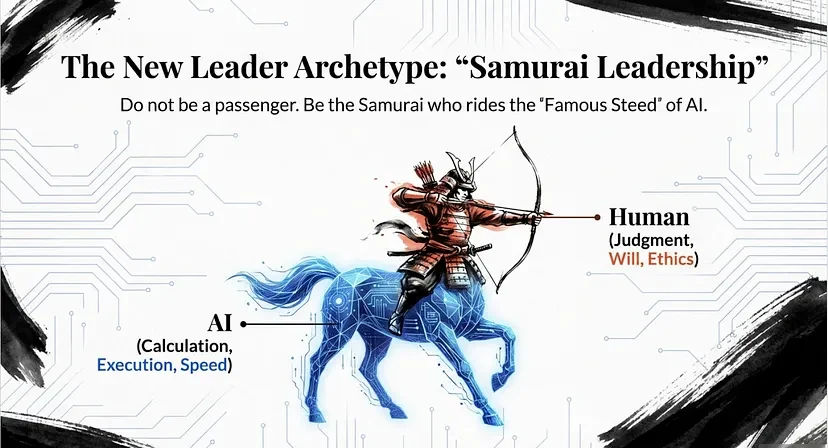
In boardrooms around the world, a quiet crisis is unfolding. The leaders who built their careers on analytical thinking, strategic planning, and data-driven decision-making are discovering that AI can do all of that — faster, cheaper, and without coffee breaks.
Read article overviewNo articles match your search. Try another word or topic.
The article overviews and cover images on this independent archive are preserved from the former Wix pages. Full essays remain on Medium.